
Intermodal Transport
Combining the cost-efficiency of rail with the door-to-door flexibility of trucking.
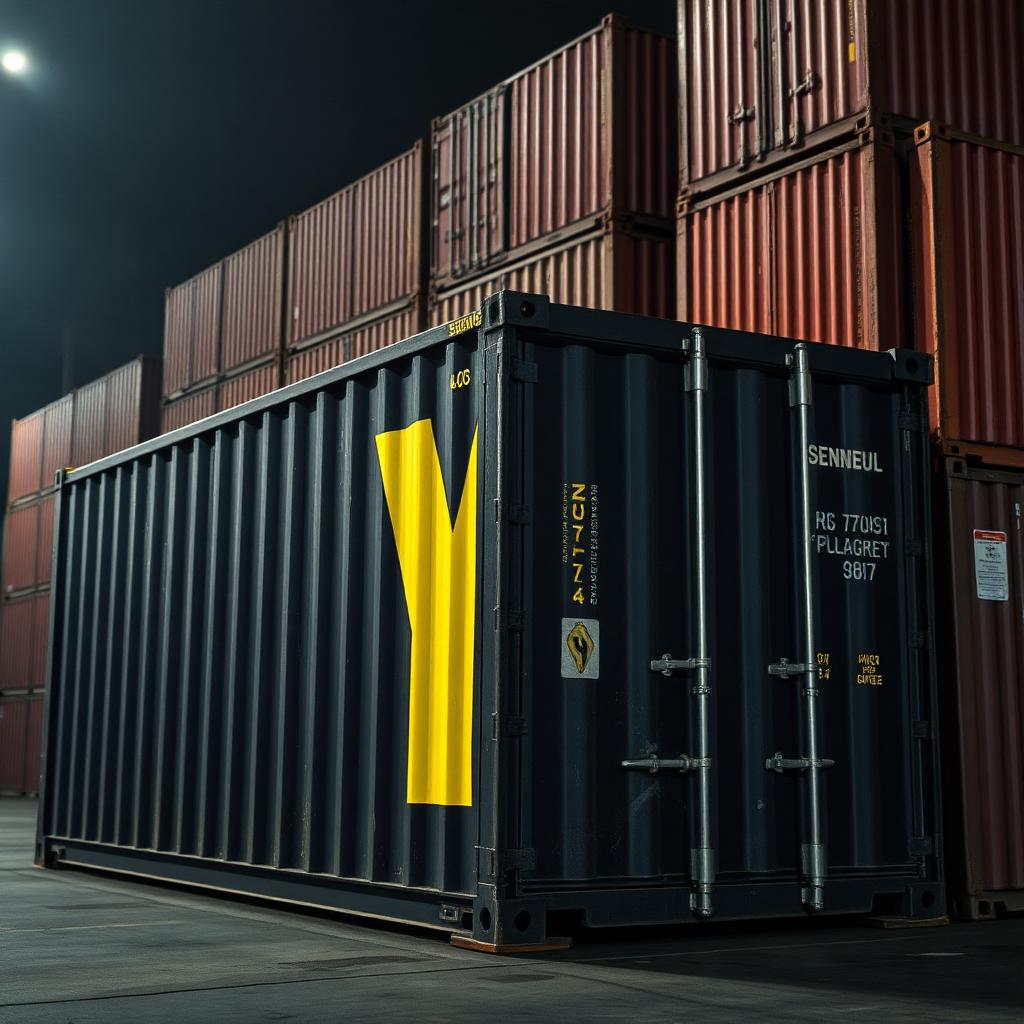
What is Intermodal?
Intermodal transportation involves moving freight using two or more modes of transportation—typically truck and rail—without directly handling the freight itself when changing modes. Cargo is loaded into a standardized intermodal container, making transfers seamless.
By utilizing rail for the long-haul portion of the journey and trucks for the initial pickup and final delivery (drayage), shippers can significantly reduce transportation costs and lower their carbon footprint.
Key Advantages of Intermodal
Why savvy shippers are moving their long-haul freight to rail.
Cost Savings
Rail uses significantly less fuel per ton-mile, lowering overall costs.
Sustainable
Trains are up to 4 times more fuel-efficient than over-the-road trucks.
Consistent Capacity
Railways offer massive, scalable capacity independent of driver shortages.
High Security
Freight placed in intermodal containers is highly secure during transit.
When Should You Use Intermodal?
When you are shipping freight over 500 miles (ideally over 1,000 miles).
When your cargo is not highly time-sensitive or perishable.
When corporate sustainability and reducing carbon emissions is a priority.
Ready to Move to Rail?
Let us analyze your lanes to see where intermodal transportation can save you money and reduce your carbon footprint.
Get an Intermodal Quote